
In the hallway, one student notices another drop their art project and kneels to help pick it up. A simple gesture, but one that reflects something deeper: kindness taught, practiced, and valued.
How Schools Shape Character
At Hanover Academy, we believe that developing strong academic skills and strong character go hand in hand. Teaching kindness, empathy, and respect isn’t a side note—it’s part of our everyday approach. These values are embedded in our curriculum, modeled by teachers, and lived out in classroom routines and playground interactions.
Students learn what kindness looks like not from a worksheet, but from their environment. A teacher pauses a lesson to help a student navigate a social conflict. A group project becomes a chance to practice listening and compromise. A class discussion about a story character turns into a conversation about fairness, inclusion, and standing up for others. These daily experiences help children build an internal compass for what it means to be thoughtful and kind.
Our teachers work intentionally to cultivate emotional awareness. Students are encouraged to name their feelings, recognize how others might be feeling, and think about how their words and actions affect their community. Whether through guided conversations, reflective journaling, or peer-to-peer collaboration, we help students understand that how they treat others matters.
The Benefits of a Kind Community
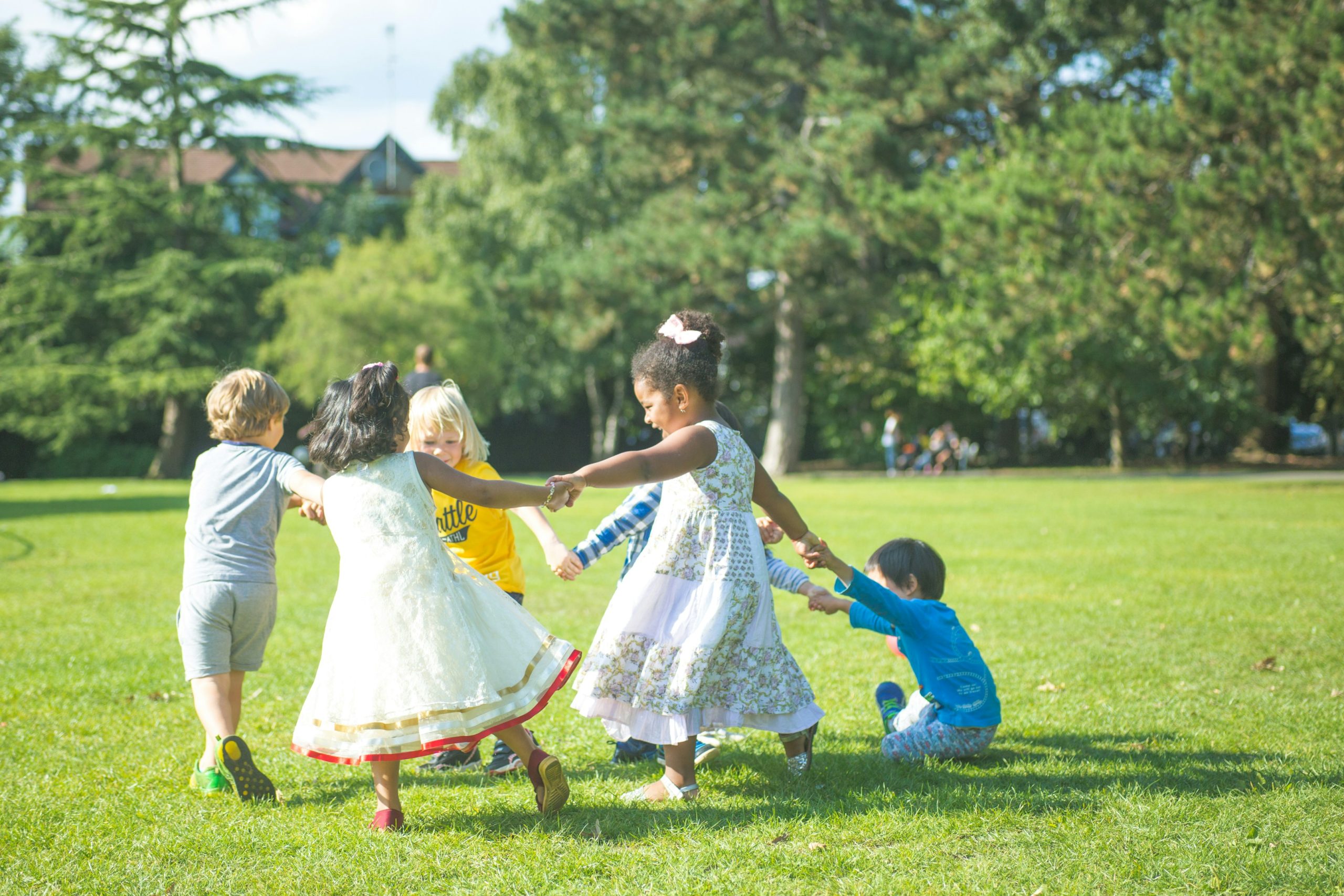
Kindness has a ripple effect. When one child practices empathy or lends a helping hand, it makes others feel safe, seen, and valued. Over time, those actions create a culture where students support one another—not because they’re told to, but because it feels right.
In this kind of environment, children feel confident to be themselves. They take academic risks more readily, knowing they won’t be judged or embarrassed. They solve conflicts with maturity and are more resilient when challenges arise. And because they’ve learned how to listen, respond with compassion, and seek solutions, they’re better prepared for the social complexity of middle school and beyond.
How Families Can Support Character Growth at Home
The lessons students learn at school are even more powerful when reinforced at home. Families can help nurture kindness by talking openly about feelings, celebrating acts of generosity or thoughtfulness, and modeling respectful communication. Even simple routines like sharing daily highlights or discussing a tough moment with empathy can help children process emotions and see kindness as a way of life.
Partnering with your child’s school on character education ensures a consistent message: who you are is just as important as what you know. At Hanover Academy, we’re grateful to walk alongside families in this shared goal.
Growing Good Humans
Academic growth matters, but it cannot stand alone. Schools have the opportunity—and responsibility—to help students grow as caring individuals. At Hanover Academy, kindness is not an add-on. It is an expectation, a daily practice, and one of the most meaningful outcomes of a great education.
